
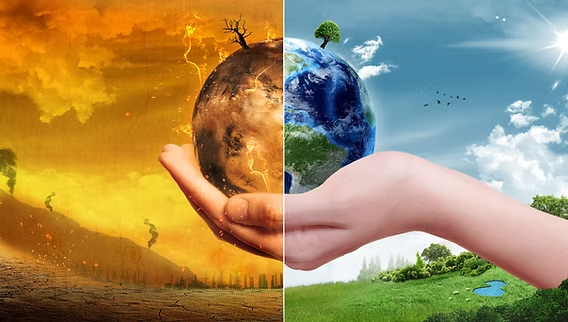

Climate change is rapidly transforming the natural world, with far-reaching consequences for both plant and animal life. Driven largely by rising global temperatures and environmental disruptions, these changes are affecting ecosystems in ways scientists say could have lasting impacts on biodiversity and human survival.
One of the most visible effects is the shift in seasons, a phenomenon closely tied to Global Warming. Warmer temperatures are causing earlier springs and delayed winters, disrupting natural cycles that plants and animals depend on. Flowers are blooming earlier than usual, while migratory species are arriving at times when food sources may not yet be available.
Wildlife populations are also under pressure. Many species are struggling to adapt to rapidly changing conditions, leading to declining numbers and, in some cases, extinction. For example, Polar Bears rely on sea ice to hunt and survive, but melting ice caps are reducing their habitat. Similarly, coral reefs are suffering from bleaching due to rising ocean temperatures, a direct impact of Climate Change.
Plant life is equally affected. Changes in rainfall patterns and increased droughts are altering where plants can grow. Forests in some regions are declining due to heat stress and pest outbreaks, while invasive species are spreading into new areas, often outcompeting native vegetation.
In countries like Nigeria, the effects are becoming more evident through desertification in the north and increased flooding in coastal and riverine areas. These environmental changes not only threaten wildlife but also impact agriculture, food security, and livelihoods.
Scientists warn that without urgent action to reduce greenhouse gas emissions and protect ecosystems, the damage could become irreversible. However, conservation efforts, sustainable practices, and global awareness campaigns offer hope in mitigating these effects.
As climate change continues to reshape the planet, understanding its impact on plant and animal life is essential in driving collective action toward a more sustainable future.